
Arrest Warrants in Beaver County
Utah Rule of Criminal Procedure 6 lays out how a Beaver County arrest warrant starts. A judge reads the charging information and any supporting statements first. Probable cause must show before the warrant issues. Depending on the rule's factors, things like a missing address or a safety concern, the judge can pick a warrant over a summons. Justice Court judges hold magistrate powers within statutory limits, while Beaver District Court takes felony and Class A matters. Once the clerk enters the order into the court information system, covered warrants go to Utah's statewide file. Release or recall does not end the case itself.
Federal Arrest Records Use a Separate Court System
A federal arrest warrant is not a Beaver County Justice Court or Beaver District Court record. The U.S. District Court for the District of Utah runs on its own system, so a county warrant search will not confirm federal status. For that, contact the federal clerk. The federal court's official contact page lists the District of Utah courthouse locations.
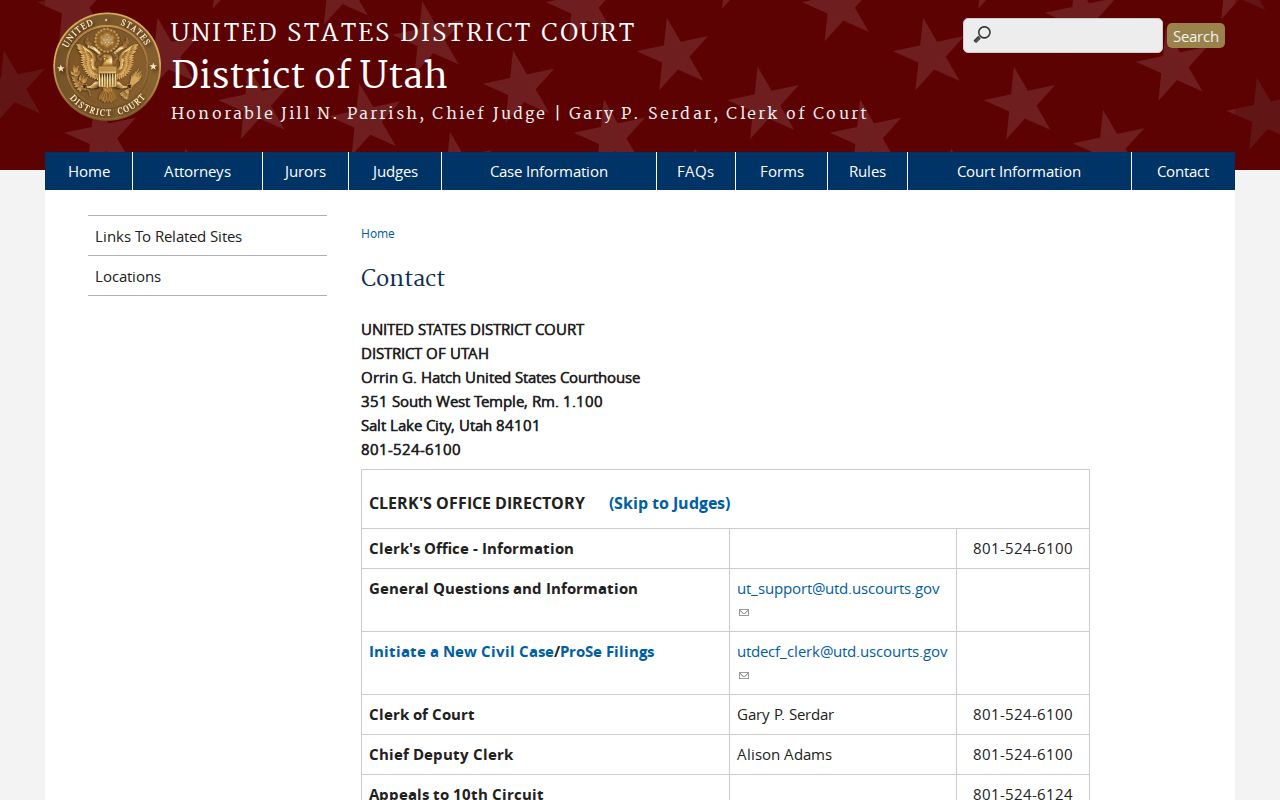
For a federal case in Beaver County, ask the federal clerk about access and status. PACER’s official fee page spells out the charges for eligible docket access.
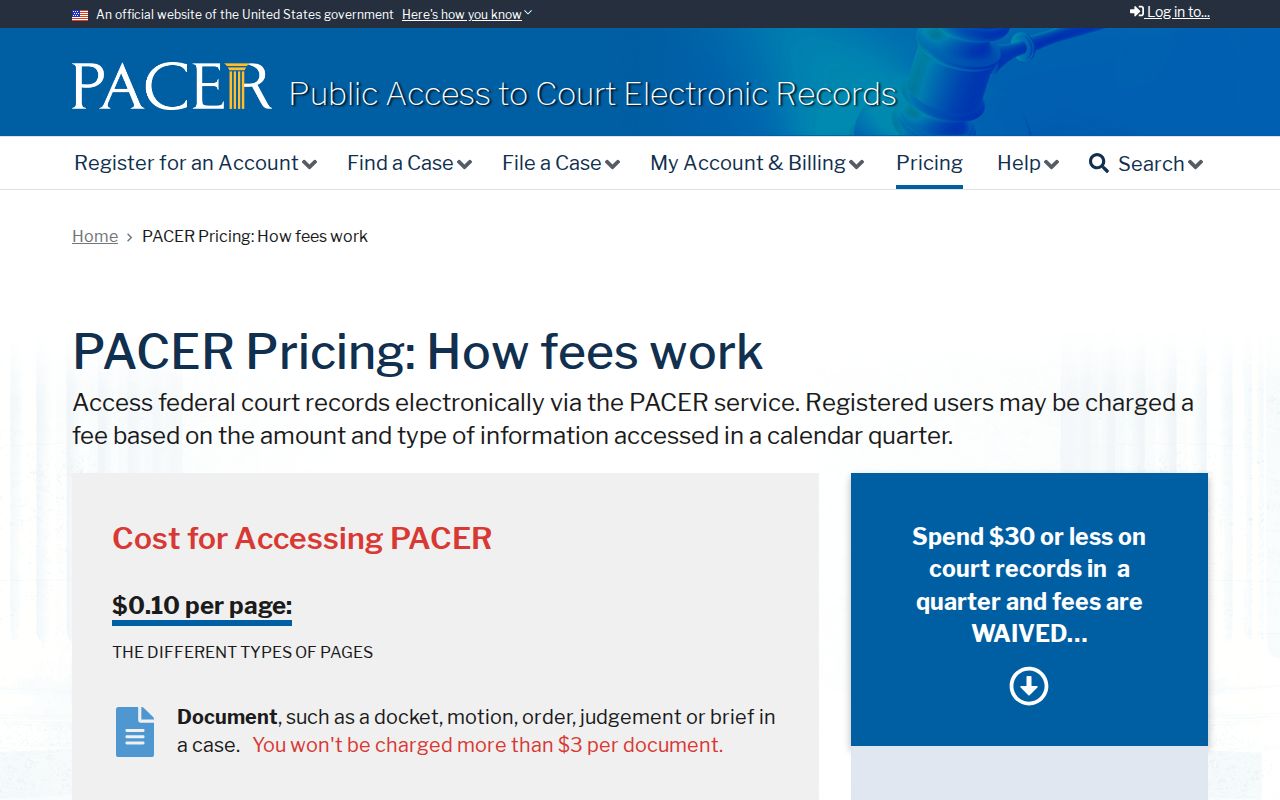
PACER serves federal cases only. It is not a Beaver County warrant list, and it cannot replace the issuing federal court.
How Beaver County Arrest Warrants Move From Court to State File
Every Beaver County arrest warrant begins with paper. A charging document plus supporting facts goes to a judge or magistrate. After review, the court order records release conditions, bail decisions, whether personal appearance is required, and transport terms. A clerk then enters the warrant, and Utah Code §53-10-208 requires covered warrants to be included in the statewide system. What a public searcher sees can be narrower than the full court or agency record. The process is court-fed. Beaver County keeps no public warrant unit or locally maintained active roster, so direct questions to the named court rather than assuming the Sheriff holds every record. The Fifth District Court's official Beaver location page identifies the local district-court office.
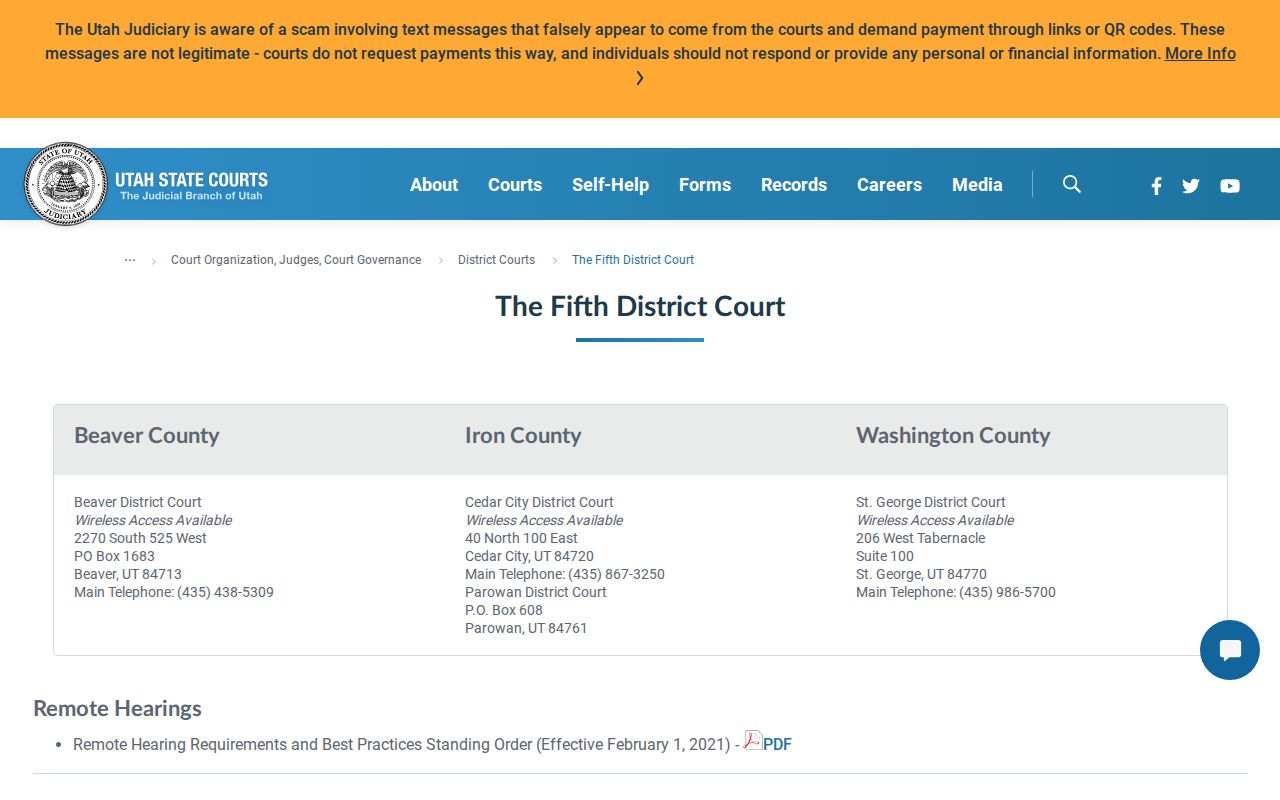
The location page helps distinguish the district clerk from Justice Court and Sheriff contacts.
What a Beaver County Arrest Warrant Contains
The fields on a warrant identify the instrument and the issuing court, but public access varies. Beaver publishes no local warrant-number pattern or status-code table. Treat any public result as a routing lead, then ask the clerk about the field that matters to your case.
| Warrant Number | Format not published Request the court’s identifier. |
|---|---|
| Named Subject | Name and possibly middle name or DOB; compare through the clerk. |
| Charge / Offense | Charge and classification, subject to public access rules. |
| Issuing Judge / Court | Identifies the court that controls the case and release terms. |
| Bond / Bail Set | Confirm amount and accepted method with court or jail. |
| Date Issued | Issue date is not necessarily the offense date. |
Beaver County Warrant Numbers and Affidavits Have Public Limits
The court case number and the statewide index are separate identifiers. Xchange instructions note that the first two digits of a case number show its filing year. That number is still not unique statewide. Some supporting affidavits or warrant materials may be sealed, private, or otherwise restricted, and no Beaver County public warrant-number format exists. A field on a law-enforcement training screen does not mean the public SWW form shows it. Ask the clerk which document or identifier can be released for your case. The Fifth District Juvenile Court's Beaver office listing identifies a separate court location, and juvenile case records stay under special access limits.
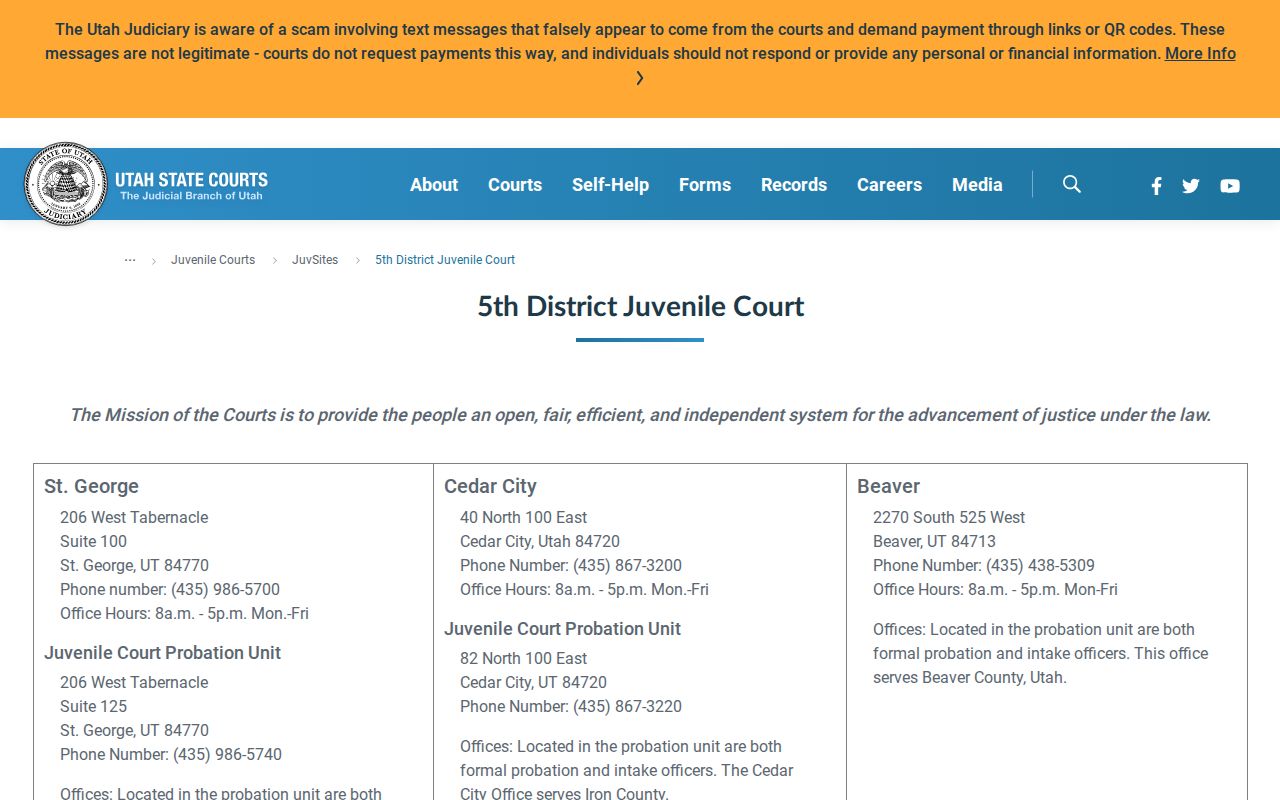
Listing a Beaver County court office does not make juvenile files public or searchable like ordinary adult records.
How Beaver County Arrest Warrants Are Served
A Utah arrest warrant carries statewide reach, so a peace officer can execute it in any county. Locally, the Beaver County Sheriff's Office does most of the serving, though no public roster names which agency served a particular warrant. Coverage details vary around Beaver County: Beaver City sends non-emergency calls to county dispatch, Milford contracts with the Sheriff for police service, and Minersville works under a documented interlocal law-enforcement agreement. Once an arrest happens, the jail is the office to call about custody and bond. The court itself answers questions about the case and whether a warrant still stands. When release conditions cannot be met, Rule 9A sets up magistrate review. That framework applies, but it guarantees neither a same-day appearance nor a same-day release.
Beaver County Sheriff Dispatch Is a Routing Contact, Not a Warrant Unit
Beaver County has no dedicated warrant unit, no warrant sergeant, and no public warrant line to call. Dispatch still routes non-emergency calls at (435) 438-2862. The Sheriff's Office itself is (435) 438-2466, Records is (435) 438-2467, and the jail is (435) 438-6497. Pick the office that matches your question: service route, an agency record, or custody and bond. Remember that the court, not the sheriff, issues and recalls a warrant, so call the clerk about active status, hearing requirements, and how to resolve it. Do not show up unannounced, since Beaver County publishes no general warrant-surrender window. For custody questions, Beaver County's corrections page lists jail contacts and inmate information.
The jail answers custody questions; the issuing judge controls warrant action.
Beaver County Arrest Warrant vs Summons vs Bench Warrant
Under Rule 6, an arrest warrant and a summons are different tools, and a bench warrant answers a missed court duty. A single case can produce any of them at different stages. For the local failure-to-appear angle and how a recall works, see Beaver County bench warrants.
| Feature | Arrest Warrant | Summons | Bench Warrant |
|---|---|---|---|
| What It Orders | Arrest under the warrant | Appear without immediate arrest authority | Arrest for a missed obligation |
| Basis | Probable cause and Rule 6 findings | Court direction to appear | Failure to appear, pay, or comply |
| Who Issues It | Judge or magistrate | Court under applicable procedure | Judge in the underlying case |
| How to Respond | Confirm terms with court and counsel | Appear as instructed | Ask issuing court about recall or appearance |
Beaver County Service Does Not Decide the Court Remedy
Different offices handle different pieces of a warrant in Beaver County. The deputy serves the paper. The jail answers booking and bail questions. Only the issuing judge sets release terms, and the court alone controls the underlying case. So a booking entry alone does not prove the warrant is still active, and posting bail does not dismiss the charge. When someone cannot meet the release conditions, Rule 9A provides a magistrate-review framework, and counsel or the court can explain how the schedule works in a specific case. Do not expect dispatch to change a court order, and do not count on walking into a building to skip booking.
What to Do If There Is a Beaver County Arrest Warrant for You
First, confirm which court issued the warrant and ask whether it is still active, what release conditions apply, and whether the judge allows an attorney-arranged appearance or another pre-arrest step. Beaver publishes no public walk-through or surrender form. Call the court, dispatch, and the jail before you go to any building. A Utah criminal-defense attorney can help with a serious charge, a bond question, or a motion to recall the warrant.
Important: Do not assume a scheduled appearance guarantees release; confirm where to report, whether booking may occur, and what bond terms the court set.
Beaver County Arrest and Case Status Can Differ
An arrest warrant is a court order tied to one case. Everything after that is a separate record. Service, booking, a bond decision, and the next hearing all stand on their own. In Beaver County, a fresh booking entry does not prove the warrant is still active, and the lack of one does not prove the court recalled it. Paying bond, likewise, addresses release terms and leaves the underlying charge untouched. Ask the issuing clerk for the current docket and any warrant action. If the person is in custody, the jail can explain booking and bond details, while the court controls hearings and recall. Public Xchange history may help locate an eligible case. Sealed, juvenile, or otherwise protected documents may not appear there.